sflix vs Netflix, Hulu, and Other Streaming Services: Feature Comparison
Ready to explore sflix?
Direct portal access to sflix.
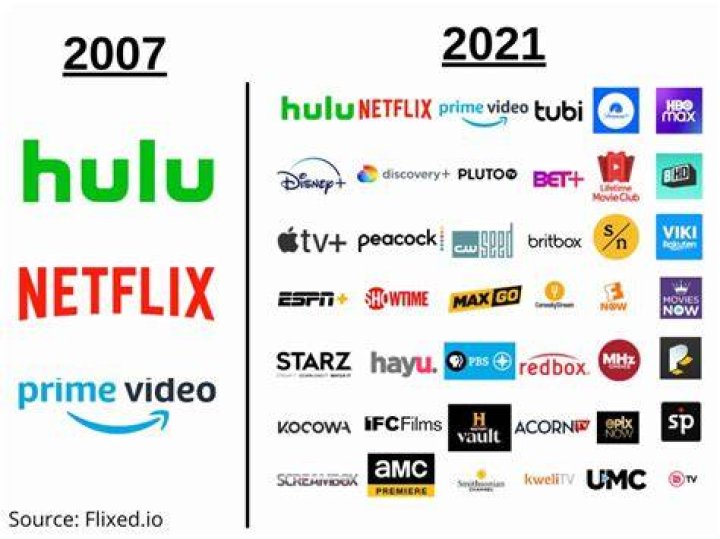
Choosing the right streaming service has become increasingly complex as more platforms enter the market. With Netflix, Hulu, Disney+, Amazon Prime Video, and newer alternatives like sflix competing for your attention, understanding the specific features and differences between these services is essential. Each platform offers unique content libraries, pricing structures, and viewing experiences that cater to different user preferences and needs.
This comprehensive comparison examines how sflix stacks up against established streaming giants across multiple dimensions. From content availability and video quality to device compatibility and user interface design, we'll break down the key features that matter most when selecting a streaming service for your entertainment needs.
Content Library and Availability
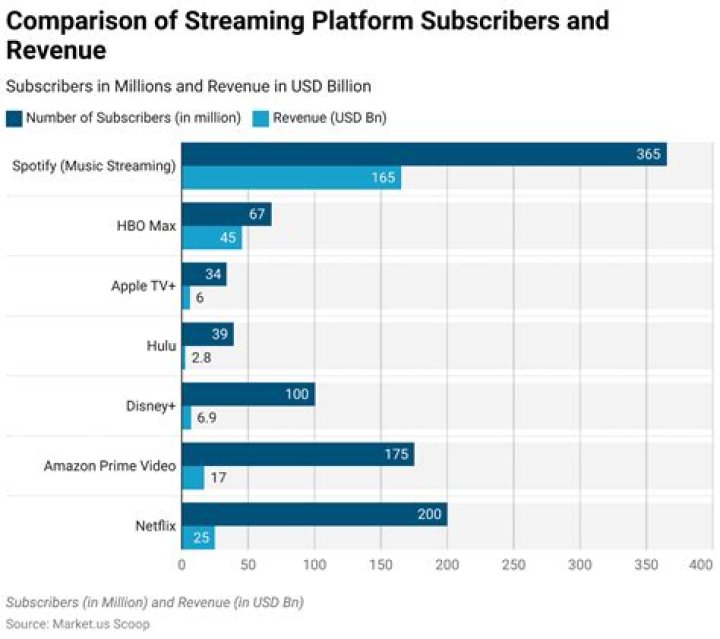
Netflix dominates with an extensive library of original productions alongside licensed content from various studios. The platform invests billions annually in exclusive series and films, creating a diverse catalog that spans multiple genres and languages. Their recommendation algorithm has been refined over years to suggest content based on viewing habits.
Hulu differentiates itself through next-day access to current television episodes from major networks. This makes it particularly valuable for viewers who want to stay current with broadcast TV without cable subscriptions. The platform also produces acclaimed original series and maintains an impressive catalog of classic shows.
Amazon Prime Video bundles streaming as part of Prime membership, offering a mix of original content, licensed movies, and TV shows. The platform includes add-on channels that expand the library further, though navigating between included and rental content can be confusing.
sflix approaches content differently by aggregating streaming options and providing users with information about where specific titles are available. Rather than hosting exclusive content, the platform focuses on helping users find what they want to watch across multiple services, making it a practical tool for those who subscribe to several platforms or want to discover content before committing to a subscription.
Pricing Models and Subscription Tiers
Netflix operates on a tiered pricing structure with three main plans. The Basic plan limits resolution and simultaneous streams, while Standard and Premium tiers unlock HD/4K quality and multiple concurrent viewers. Recent changes introduced ad-supported options at lower price points, though these come with viewing interruptions and limited content access.
Hulu offers both ad-supported and ad-free tiers, with the former being significantly cheaper but including commercial breaks. The platform also bundles with Disney+ and ESPN+ for cost savings, creating an attractive package for families. Live TV options add substantially to the monthly cost but eliminate the need for cable subscriptions.
Disney+ maintains straightforward pricing with annual discounts available. The service recently introduced an ad-supported tier, following industry trends. Bundle options with Hulu provide better value for households interested in both platforms' content libraries.
Amazon Prime Video comes included with Prime membership, which also provides shipping benefits and other services. This bundled approach makes the streaming component feel like a bonus rather than a standalone expense. Individual Prime Video subscriptions are available without full Prime membership at a reduced rate.
sflix typically offers free access to its core features, generating revenue through different means than traditional subscription models. This makes it accessible to users who want streaming guidance without additional monthly fees, though the specific monetization approach varies.
Video Quality and Streaming Performance
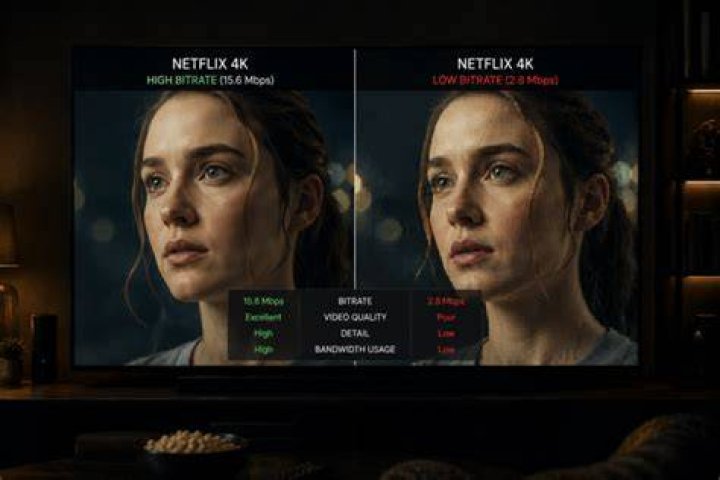
Netflix pioneered adaptive streaming technology that adjusts quality based on internet connection speeds. The platform supports 4K Ultra HD with HDR on premium plans, delivering exceptional visual quality for compatible content and devices. Their encoding efficiency means high-quality streams consume less bandwidth than some competitors.
Hulu streams in HD across most content, with 4K available for select originals and movies. The platform's live TV option maintains consistent quality for broadcast content. Buffering issues are rare on stable connections, though performance can vary during peak usage times.
Amazon Prime Video supports 4K HDR streaming on many original productions and select licensed content. The platform's variable bitrate technology optimizes quality while managing bandwidth consumption. Download options for offline viewing include quality settings to balance file size and visual fidelity.
Disney+ delivers impressive streaming quality with most original content available in 4K HDR. The platform's technical infrastructure benefits from decades of media distribution experience, resulting in reliable performance and minimal streaming interruptions.
sflix doesn't host video content directly, so streaming quality depends on the underlying services users access through the platform. However, it helps users identify which platforms offer their desired content in the best available quality, making it easier to choose where to watch based on format preferences.
Device Compatibility and Cross-Platform Support
Netflix supports virtually every streaming device, smart TV, gaming console, and mobile platform available. The universal compatibility extends to web browsers, with seamless syncing across devices. Profile management allows household members to maintain separate watch histories and recommendations.
Hulu functions across most major platforms, including iOS, Android, Roku, Fire TV, Apple TV, and gaming consoles. Recent interface updates improved navigation on smart TVs, though some older devices lack support for newer features. Simultaneous streaming limits depend on subscription tier.
Amazon Prime Video works on Fire TV devices naturally, given Amazon's ownership, but also supports competing platforms. Mobile apps allow downloads for offline viewing, useful for travel. The X-Ray feature provides cast and trivia information during playback, adding an interactive element.
Disney+ launched with robust device support, learning from earlier services' rollout challenges. The platform works smoothly across smartphones, tablets, streaming devices, and smart TVs. GroupWatch enables synchronized viewing with friends and family remotely.
sflix operates primarily through web browsers and mobile apps, requiring minimal system resources. The platform's lightweight design ensures accessibility from various devices without demanding high-end hardware or specific operating systems. This broad compatibility makes it convenient for users across different technology ecosystems.
User Interface and Navigation Experience
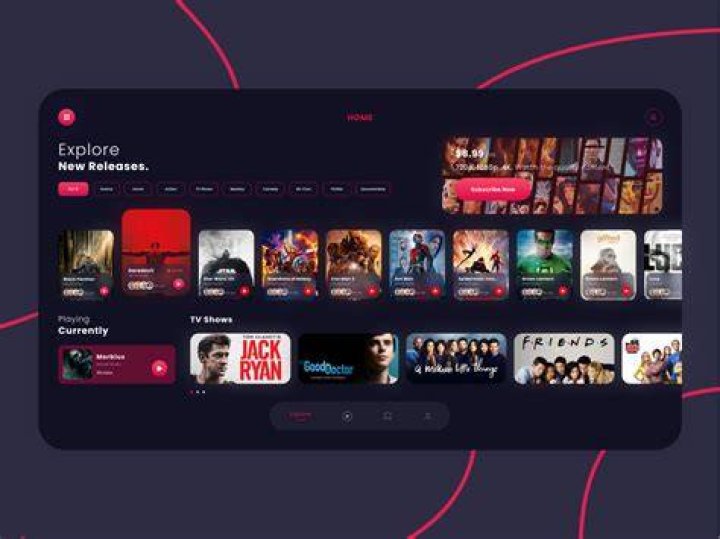
Netflix employs a highly visual interface dominated by large thumbnail images and autoplay previews. Content is organized into personalized categories based on viewing history, with new releases and trending titles prominently featured. The search function includes filters for genre, release year, and content type, though browsing can feel overwhelming given the library size.
Hulu's interface balances content discovery with direct access to specific networks and channels. The Hub section curates collections around themes, actors, or franchises. Live TV subscribers get an integrated guide that resembles traditional cable interfaces, easing the transition for cord-cutters.
Amazon Prime Video's interface has improved significantly but still faces criticism for mixing free Prime content with rentals and purchases. The navigation requires attention to distinguish between included and paid options. Channel integrations add complexity, though they provide convenient access to supplementary subscriptions.
Disney+ organizes content by major brands (Marvel, Star Wars, Pixar, National Geographic) alongside standard categories. The interface appeals to families with dedicated kids' profiles that restrict content appropriately. Collections group related content effectively, making it easy to explore franchises.
sflix prioritizes search and discovery, helping users locate content across platforms efficiently. The interface focuses on providing clear information about availability, pricing, and viewing options. This streamlined approach reduces decision fatigue when determining where to watch specific titles.
Original Content and Exclusive Offerings
Netflix invests heavily in original programming across diverse genres and international markets. From award-winning dramas to reality shows and documentaries, the platform creates hundreds of original titles annually. This content strategy aims to differentiate Netflix from competitors and justify subscription costs as licensed content becomes more fragmented.
Hulu produces critically acclaimed original series alongside exclusive partnerships with networks. The platform's originals tend toward contemporary themes and innovative storytelling. FX on Hulu brings premium cable content to the streaming service, expanding the exclusive offerings significantly.
Amazon Prime Video commissions original series and films with substantial budgets, competing directly with Netflix's production quality. The platform secures exclusive streaming rights to popular shows and invests in live sports content, broadening its appeal beyond traditional entertainment.
Disney+ leverages the company's unmatched catalog of beloved franchises. Original series expand Star Wars and Marvel universes, creating must-watch content for fans. Pixar releases and National Geographic documentaries add family-friendly and educational dimensions to the exclusive content.
While sflix doesn't produce original content, it helps users discover and track exclusive releases across all platforms. This makes it easier to decide which services offer the most value based on current exclusive programming that aligns with personal interests.
Additional Features and Unique Capabilities
Netflix introduced interactive content allowing viewers to make story choices, though these titles remain relatively rare. The platform's robust parental controls enable detailed content filtering. Download capabilities work across devices with smart storage management that automatically removes watched content.
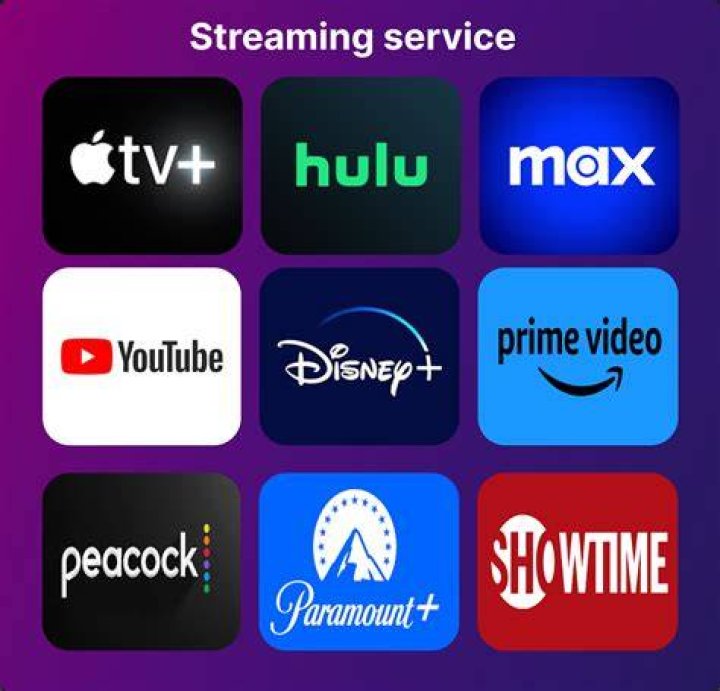
Hulu's live TV option includes unlimited DVR storage with certain plans, distinguishing it from pure on-demand services. The platform integrates sports, news, and entertainment in one interface. Add-ons like HBO Max and Showtime create a comprehensive entertainment hub without switching apps.
Amazon Prime Video's X-Ray feature provides IMDb information during playback, identifying actors and songs. Watch Party enables synchronized viewing with others remotely. The Channels feature aggregates multiple streaming subscriptions into one billing and viewing interface.
Disney+ emphasizes family viewing with robust parental controls and kid-safe profiles. The platform's IMAX Enhanced content delivers superior visual and audio quality for select titles. Bonus features and behind-the-scenes content appeal to fans wanting deeper engagement with favorite franchises.
sflix focuses on aggregation and discovery tools that complement rather than replace other services. Features like watchlists, availability alerts, and cross-platform search help users maximize value from existing subscriptions. The platform serves as a centralized hub for managing streaming entertainment across multiple services.
Considering Your Streaming Needs
Selecting the right streaming service depends on several personal factors beyond raw feature comparisons. Content preferences play the largest role—families with young children benefit from Disney+'s library, while sports fans might prioritize Hulu + Live TV. Budget constraints matter significantly, especially as subscription costs accumulate across multiple platforms.
Geographic location affects content availability due to licensing restrictions. Some platforms offer stronger international catalogs, while others focus primarily on domestic content. Technical requirements like 4K capability depend on having compatible devices and sufficient internet bandwidth.
Many households subscribe to multiple services, rotating them seasonally to access specific content. This approach reduces costs while maintaining access to desired programming. Tools like sflix simplify managing this strategy by tracking which platforms host specific content and when new releases arrive.
Final Thoughts
The streaming landscape offers unprecedented choice, with each platform bringing distinct strengths to the market. Netflix excels in original content volume and global reach, Hulu bridges traditional TV and streaming, Amazon bundles video with broader membership benefits, and Disney+ leverages powerful entertainment franchises. Rather than declaring one service superior, understanding how each aligns with your viewing habits and budget enables informed decisions.
sflix adds value by helping navigate this complex ecosystem, making it easier to find content across platforms and optimize streaming subscriptions. As the industry continues evolving with new entrants and changing content libraries, having tools that aggregate information and simplify discovery becomes increasingly valuable. The best streaming setup often involves multiple services used strategically, supported by resources that enhance the overall viewing experience.
Explore More on Movieflix
Thank you for reading! For more comprehensive guides and site pages, return to the Movieflix Homepage .
