sfilx Troubleshooting: Common Issues and Quick Fixes

Ready to explore sfilx?
Direct portal access to sfilx.
Running into problems with sfilx can disrupt your workflow and cause unnecessary frustration. Whether you're experiencing slow performance, connection errors, or unexpected behavior, most issues have straightforward solutions that don't require technical expertise. This guide walks you through the most common sfilx problems users encounter and provides practical fixes you can implement right away.
Understanding how to diagnose and resolve these issues quickly means less downtime and a smoother experience overall. Let's dive into the specific problems you might face and exactly how to address them.
Connection Failures and Network Errors
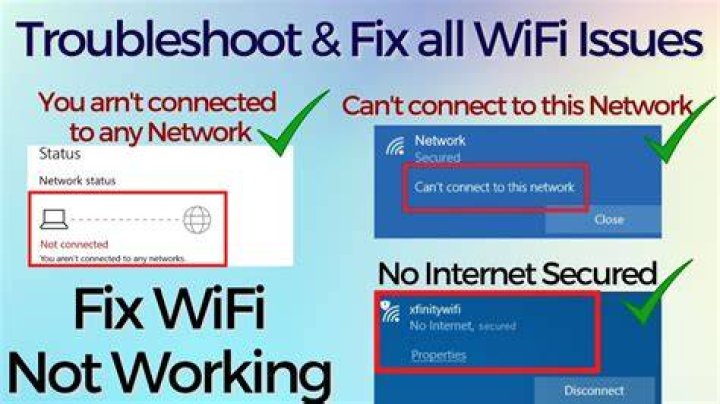
Connection issues are among the most frequently reported problems with sfilx. These typically manifest as timeout errors, inability to reach servers, or intermittent disconnections that interrupt your work.
Start by checking your internet connection independently of sfilx. Open a browser and visit a few different websites to confirm your network is functioning properly. If other services work fine, the issue is likely specific to sfilx configuration rather than your overall connectivity.
Firewall and Security Software Blocking
Your firewall or antivirus software might be preventing sfilx from establishing connections. Check your security software's logs to see if sfilx traffic is being blocked. Add sfilx to your firewall's allowed applications list, and create exceptions in your antivirus program if necessary.
Corporate networks often have stricter security policies that can interfere with connections. If you're using sfilx in a work environment, contact your IT department to ensure the necessary ports are open and the application is whitelisted.
DNS Resolution Problems
Sometimes DNS issues prevent sfilx from resolving server addresses correctly. Try switching to a public DNS service like Google DNS (8.8.8.8 and 8.8.4.4) or Cloudflare DNS (1.1.1.1). Flush your DNS cache by opening a command prompt and running the appropriate command for your operating system.
If DNS changes resolve your issue, consider permanently switching to a more reliable DNS provider or investigate why your default DNS is failing for sfilx specifically.
Performance Issues and Slow Loading
When sfilx runs slowly or takes excessive time to load, several factors could be responsible. Performance degradation affects productivity and can indicate underlying configuration problems that need attention.
Begin by checking your system resources. Open your task manager or activity monitor to see if sfilx is consuming unusual amounts of CPU or memory. High resource usage often points to specific issues that have targeted solutions.
Cache and Temporary File Buildup
Over time, sfilx accumulates cached data and temporary files that can slow down operations. Clearing these files often provides immediate performance improvements. Locate the sfilx cache directory in your application data folder and delete its contents while the application is closed.
After clearing the cache, restart sfilx and monitor whether performance returns to normal levels. This simple maintenance step should be performed regularly to prevent future slowdowns.
Outdated Software Version
Running an outdated version of sfilx can cause performance problems, especially if newer versions include optimization improvements. Check for updates within the application or download the latest version from the official source.
Updates frequently include bug fixes and performance enhancements that address common complaints. Always backup your configuration before updating to ensure you can restore settings if needed.
Authentication and Login Problems
Login failures frustrate users more than almost any other issue because they completely block access to sfilx functionality. These problems usually stem from credential issues, account status, or session management errors.
Verify that you're entering your credentials correctly, paying attention to case sensitivity and any special characters. Use the password visibility toggle if available to confirm you're typing what you intend.
Expired Sessions and Token Issues
Authentication tokens can expire or become corrupted, especially if you haven't used sfilx in a while. Log out completely, clear your browser cookies or application data, then log back in with fresh credentials. This forces sfilx to generate new authentication tokens.
If you're still unable to log in after clearing sessions, try resetting your password through the official password recovery process. This ensures your account credentials are properly synchronized across all systems.
Two-Factor Authentication Conflicts
Two-factor authentication adds security but can cause login problems if your device time is out of sync or your authentication app isn't working correctly. Ensure your system clock is set to automatic time synchronization.
If you've lost access to your two-factor authentication device, use your backup codes or contact support to temporarily disable two-factor authentication while you regain access.
File Upload and Download Failures
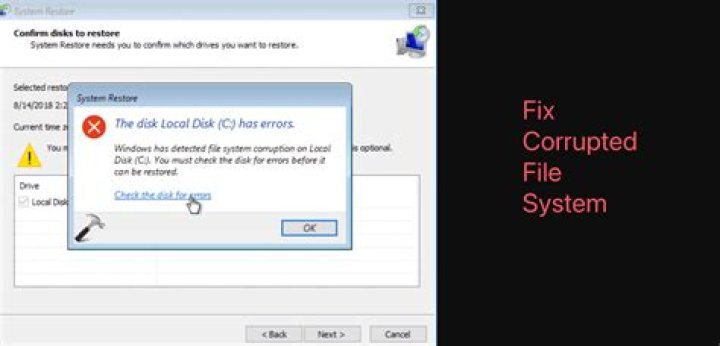
Problems with file transfers in sfilx can interrupt critical workflows. Whether uploads fail midway through or downloads refuse to start, these issues typically have identifiable causes.
Check the file size against any limits imposed by sfilx. Many applications restrict file sizes to prevent server overload. If your file exceeds the maximum allowed size, you'll need to compress it or split it into smaller segments.
Browser Extension Interference
Browser extensions, particularly ad blockers and security extensions, can interfere with file transfer functionality. Temporarily disable your extensions one by one to identify which might be causing the problem.
Once you've identified the problematic extension, either disable it permanently when using sfilx or add sfilx to the extension's whitelist if that option is available.
Corrupted File Transfer
If files upload successfully but appear corrupted or incomplete, network instability during transfer might be the culprit. Try uploading during a different time when network traffic is lighter, or use a wired connection instead of wireless for more stability.
Verify file integrity by comparing checksums when possible. This helps determine whether corruption occurred during transfer or if the source file was already damaged.
Interface Display and Rendering Issues
Visual problems with sfilx can range from minor annoyances to complete unusability. These issues often relate to browser compatibility, graphics settings, or display scaling problems.
If elements appear misaligned, text is unreadable, or buttons don't respond correctly, try adjusting your browser zoom level back to 100%. Many rendering problems occur when users have zoomed in or out and forgotten to reset.
Browser Compatibility Problems
Older browsers lack support for modern web standards that sfilx might rely on. Update your browser to the latest version to ensure full compatibility. If you must use an older browser for other reasons, consider using a different browser exclusively for sfilx.
Test sfilx in an incognito or private browsing window to rule out extension conflicts. If the interface works correctly in private mode, an extension is causing the display problems.
Graphics Acceleration Conflicts
Hardware acceleration can sometimes cause rendering glitches rather than improving performance. Disable hardware acceleration in your browser settings and restart to see if visual problems disappear.
This solution is particularly effective for users experiencing flickering, artifacts, or completely black screens when using sfilx.
Error Messages and Their Solutions
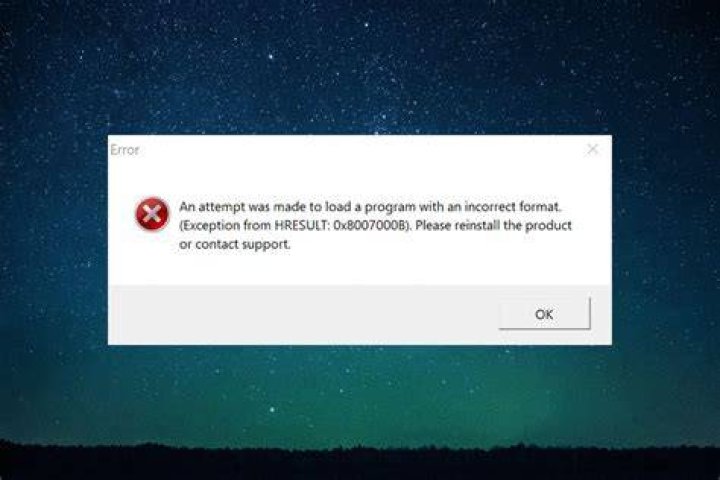
Specific error messages provide valuable clues about what's wrong. Understanding common error codes helps you implement the right fix quickly rather than trying random solutions.
When you encounter an error, note the exact error code or message text. Search for this specific code in sfilx documentation or support forums, as many errors have documented solutions.
Server Error Responses
500-series errors indicate problems on the server side rather than your local setup. These typically resolve on their own once server administrators address the underlying issue. Wait a few minutes and try again.
If server errors persist for extended periods, check sfilx status pages or social media channels for announcements about ongoing outages or maintenance.
Permission and Access Denied Errors
Permission errors mean your account lacks the necessary rights to perform a specific action. Verify your account role and permissions with an administrator. You might need elevated privileges or membership in a particular group.
Sometimes permission errors occur due to session problems rather than actual permission restrictions. Log out and back in to refresh your permissions.
Mobile App Specific Issues
The mobile version of sfilx introduces unique problems that don't occur in desktop environments. Touch interface issues, notification problems, and background sync errors are common mobile-specific complaints.
Ensure you're running the latest version of the mobile app. Mobile apps update more frequently than desktop versions, and older versions often have known bugs that newer releases fix.
Push Notification Failures
If you're not receiving notifications from sfilx, check your device notification settings first. The app must have notification permissions enabled at the system level. Review both the app's internal notification settings and your device's global notification controls.
Battery optimization features can prevent background notifications. Add sfilx to your battery optimization exceptions to ensure it can deliver notifications even when you're not actively using the app.
Sync and Background Update Problems
Data sync issues cause discrepancies between your mobile device and other platforms. Force a manual sync by pulling down to refresh or checking the sync settings within the app.
Background refresh must be enabled for automatic syncing. Without it, sfilx only updates when you open the app, which can make it seem like data isn't syncing properly.
Configuration and Settings Problems
Incorrect configuration causes many issues that users attribute to bugs or malfunctions. Reviewing and correcting your settings can resolve persistent problems that seem mysterious.
Access your sfilx settings and look for any warnings or alerts about misconfiguration. Reset individual settings to defaults if you're unsure whether your customizations are causing problems.
Notification Overload
Excessive notifications can make sfilx feel overwhelming and lead users to miss important alerts. Review your notification preferences and disable categories that aren't relevant to your workflow.
Set up notification filters or rules to ensure you only receive alerts about activities that truly require your attention. This improves both the user experience and overall system performance.
Language and Localization Issues
Interface appearing in the wrong language or displaying garbled text usually indicates locale setting problems. Check your language preferences in sfilx settings and ensure they match your system locale.
If text appears as boxes or question marks, missing font support might be the issue. Install language packs or font packages for your chosen language.
Data Loss Prevention and Recovery
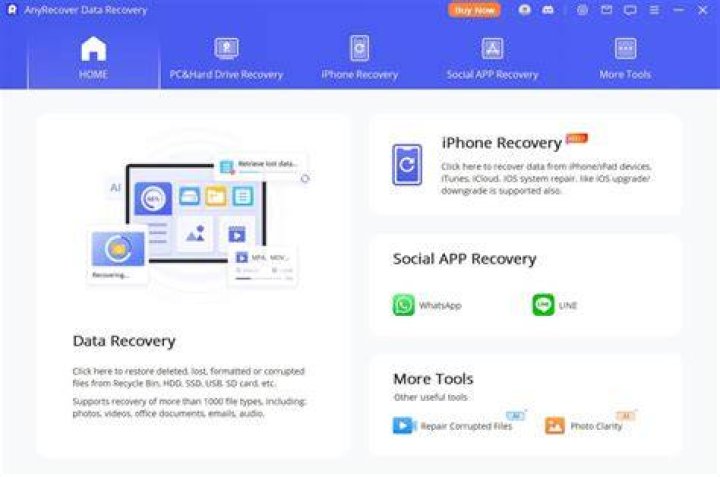
Losing data in sfilx can be devastating, but many situations allow for recovery if you act quickly. Understanding backup systems and recovery options protects your work.
Check if sfilx has automatic backup or version history features enabled. Many applications save previous versions of your work that you can restore even if current data appears lost.
Accidental Deletion Recovery
Deleted items often go to a recycle bin or trash folder rather than being permanently removed. Look for a recently deleted section in sfilx where you can restore items within a certain time window.
If you've permanently deleted something, check whether cloud backups exist. Many services maintain server-side backups that aren't accessible through the normal interface but can be restored by support teams.
Corrupted Data Files
When sfilx reports that files are corrupted, try opening them in alternative programs or older versions of sfilx. Sometimes format updates cause compatibility issues that make files appear corrupted when they're actually just incompatible with your current version.
Export data regularly in universal formats as a safeguard. This ensures you can access your work even if sfilx-specific files become problematic.
Integration and Third-Party Service Issues
Problems with integrations between sfilx and other services often stem from authorization issues or API changes. These require different troubleshooting approaches than standalone sfilx problems.
Disconnect and reconnect integrations to refresh authentication tokens. This simple step resolves most integration problems by forcing the systems to renegotiate their connection.
API Key and Webhook Failures
If you're using sfilx with custom integrations through APIs, verify that your API keys are still valid and haven't expired. Regenerate keys if necessary and update them in all connected services.
Webhook failures often result from URL changes or SSL certificate issues. Check that webhook endpoints are still accessible and accepting incoming connections.
OAuth Authorization Problems
OAuth connections can break when either service updates their authentication system. Revoke existing authorizations completely, then go through the connection process again from scratch.
Ensure popup blockers aren't preventing OAuth authorization windows from appearing. These windows are necessary for completing the secure connection process.
Final Thoughts
Most sfilx troubleshooting comes down to systematic diagnosis followed by targeted solutions. Start with the simplest explanations like connectivity and credentials before moving to more complex possibilities. Document what you've tried so you can provide detailed information if you need to contact support.
Regular maintenance prevents many issues before they start. Keep sfilx updated, clear caches periodically, and review your configuration settings whenever behavior seems off. With these troubleshooting strategies, you can resolve the vast majority of problems quickly and get back to productive work without lengthy downtime.
Explore More on Movieflix
Thank you for reading! For more comprehensive guides and site pages, return to the Movieflix Homepage .
