MyFlixer Not Working? Troubleshooting Common Errors and Fixes
Ready to explore myflixer?
Direct portal access to myflixer.
When your favorite streaming platform suddenly stops working, it disrupts your entire viewing experience. Many users encounter various issues when trying to access myflixer, ranging from blank screens and loading errors to playback problems and connection failures. Understanding what's causing these disruptions and knowing how to fix them quickly can save you hours of frustration.
This guide walks through the most common problems users face with streaming platforms and provides practical solutions you can implement immediately. Whether you're dealing with technical glitches, browser compatibility issues, or network problems, these troubleshooting steps will help restore your streaming access.
Check Your Internet Connection First
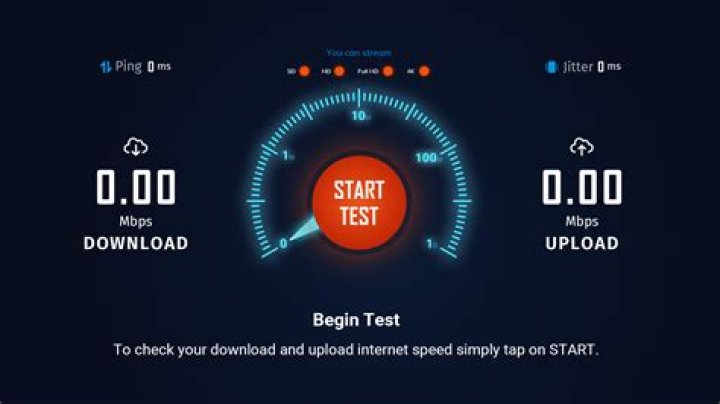
The foundation of any streaming experience is a stable internet connection. Before diving into complex solutions, verify that your network is functioning properly. Run a speed test to ensure you're getting at least 5 Mbps for standard definition and 25 Mbps for high-definition streaming.
If your speeds are lower than expected, try restarting your router by unplugging it for 30 seconds before reconnecting. Additionally, switch from Wi-Fi to a wired Ethernet connection if possible, as this eliminates wireless interference and provides more consistent bandwidth for streaming content.
Clear Browser Cache and Cookies
Accumulated browser data often causes loading problems and playback errors on streaming sites. Your browser stores temporary files, cookies, and cached data that can become corrupted over time, preventing pages from loading correctly.
To clear your cache in Chrome, press Ctrl+Shift+Delete (or Cmd+Shift+Delete on Mac), select "All time" as the time range, check "Cookies" and "Cached images and files," then click Clear data. For Firefox users, press Ctrl+Shift+Delete, choose "Everything" for the time range, and select the same options before clearing.
Why Cache Clearing Works
When websites update their code or change server configurations, outdated cached files can conflict with new versions. Clearing these files forces your browser to download fresh copies of all page elements, resolving compatibility issues and loading errors that occur from version mismatches.
Disable Browser Extensions and Ad Blockers
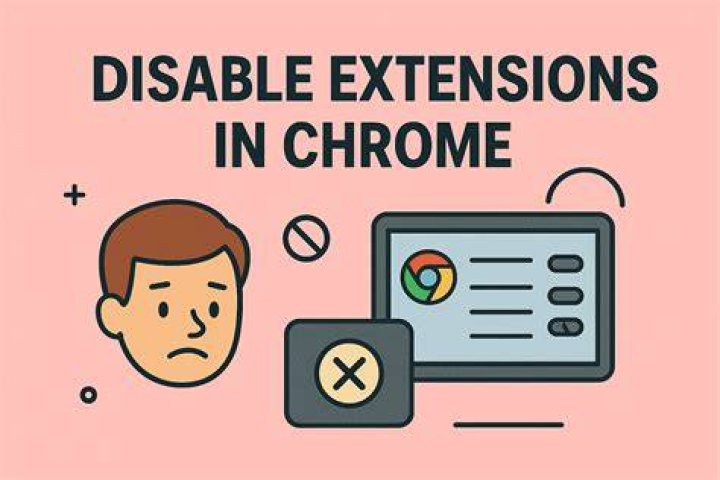
Browser extensions, particularly ad blockers and privacy tools, frequently interfere with streaming platforms. These extensions may block essential scripts or media players required for video playback, resulting in blank screens or endless loading circles.
Temporarily disable all extensions to identify if one is causing the problem. In Chrome, type chrome://extensions in the address bar and toggle off each extension. Test the streaming site after disabling each one to pinpoint the culprit. If the site works with extensions disabled, re-enable them one by one to find the problematic extension.
Try a Different Browser or Incognito Mode
Browser-specific issues can prevent streaming sites from functioning correctly. Switching to an alternative browser helps determine whether the problem is isolated to your current browser or affects all browsers on your device.
Incognito or private browsing mode provides a quick way to test without extensions, cookies, or cached data interfering. Open an incognito window (Ctrl+Shift+N in Chrome, Ctrl+Shift+P in Firefox) and navigate to myflixer to see if the issue persists. If the site works in incognito mode, the problem likely stems from browser data or extensions in your regular browsing session.
Update Your Browser to the Latest Version
Outdated browsers lack security patches and modern web standards necessary for contemporary streaming platforms. Websites continuously update their technology, and older browser versions may not support required features like HTML5 video players or advanced JavaScript frameworks.
Check for updates by clicking the three-dot menu in your browser, navigating to "Help" or "About," and selecting the update option. Most browsers update automatically, but manual checks ensure you're running the most current version with all necessary compatibility improvements.
Verify the Site Status and Server Issues
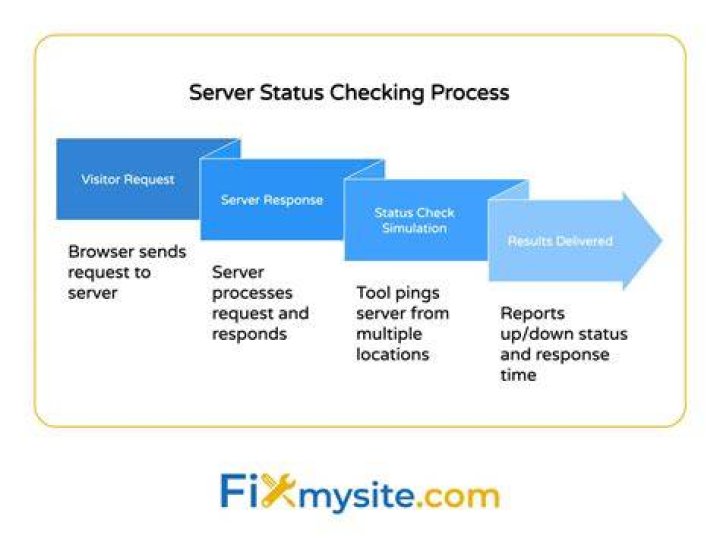
Sometimes the problem isn't on your end at all. Streaming platforms experience server outages, maintenance periods, and technical difficulties that affect all users simultaneously. Before spending time troubleshooting your system, confirm whether the site is experiencing widespread issues.
Use services like DownDetector or IsItDownRightNow to check real-time reports from other users. Social media platforms like Twitter also provide quick insights into ongoing problems, as users typically share their experiences when popular streaming sites go down.
Adjust Your DNS Settings
DNS (Domain Name System) servers translate website addresses into IP addresses that computers understand. Your default DNS provider might be slow, unreliable, or blocking access to certain sites, resulting in connection timeouts or failed page loads.
Switching to public DNS servers like Google DNS (8.8.8.8 and 8.8.4.4) or Cloudflare DNS (1.1.1.1 and 1.0.0.1) often resolves connectivity issues. On Windows, open Network Connections, right-click your active connection, select Properties, choose Internet Protocol Version 4, and enter your preferred DNS servers. Mac users can change DNS settings in System Preferences under Network.
DNS Cache Flushing
After changing DNS servers, flush your DNS cache to remove old routing information. On Windows, open Command Prompt and type "ipconfig /flushdns" then press Enter. Mac users should open Terminal and enter "sudo dscacheutil -flushcache; sudo killall -HUP mDNSResponder" to clear their DNS cache completely.
Disable VPN or Proxy Services Temporarily
Virtual private networks and proxy servers route your internet traffic through different locations, which can cause compatibility problems with streaming platforms. Some sites detect VPN usage and block access, while others simply don't load correctly when traffic is routed through proxy servers.
Disconnect your VPN temporarily and try accessing the site directly through your regular internet connection. If the streaming platform works without the VPN, the issue relates to either the VPN server location or the platform's VPN detection systems. Try connecting to different VPN server locations or contact your VPN provider for streaming-optimized servers.
Check Firewall and Antivirus Settings
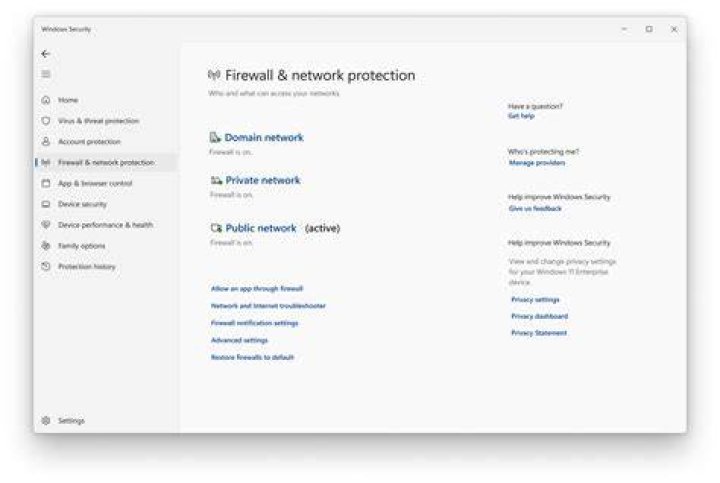
Security software protects your computer but can sometimes be overly aggressive in blocking legitimate websites. Firewalls and antivirus programs may flag streaming sites as suspicious or block the connections they require for video playback.
Temporarily disable your antivirus or add exceptions for your browser and the streaming site. In Windows Defender Firewall, click "Allow an app through firewall" and ensure your browser has both private and public network access. Remember to re-enable your security software after testing to maintain system protection.
Update Graphics Drivers and Hardware Acceleration
Outdated graphics drivers cause video playback issues, stuttering, and black screens during streaming. Graphics processing units (GPUs) handle video decoding, and without current drivers, your system may struggle to render video content properly.
Visit your graphics card manufacturer's website (NVIDIA, AMD, or Intel) and download the latest drivers for your specific model. Additionally, check your browser's hardware acceleration settings. In Chrome, navigate to Settings, click Advanced, and under System, toggle "Use hardware acceleration when available" to see if enabling or disabling this feature resolves playback issues.
Verify Device Time and Date Settings
Incorrect system time causes SSL certificate errors and connection failures. Websites use secure connections that validate certificates based on your computer's clock, and significant time discrepancies trigger security warnings that prevent site access.
On Windows, right-click the clock in the taskbar, select "Adjust date/time," and enable "Set time automatically." Mac users should open System Preferences, click Date & Time, and check "Set date and time automatically." After correcting the time, restart your browser and attempt to access the streaming platform again.
Test on Different Devices
Isolating whether the problem is device-specific or account-wide helps narrow down the root cause. Try accessing myflixer from your smartphone, tablet, or another computer to determine if the issue follows your account or stays with one particular device.
If the site works on other devices but not your primary computer, the problem likely involves that specific device's configuration, browser settings, or installed software. Conversely, if the issue appears across all devices, it might relate to your network, account status, or regional restrictions.
Reset Browser Settings to Default
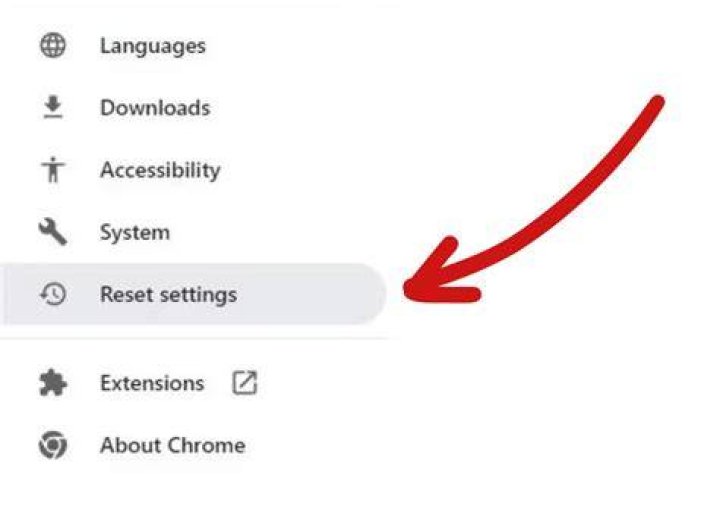
When multiple troubleshooting steps fail, resetting your browser to factory defaults eliminates all customizations, extensions, and settings that might be causing conflicts. This nuclear option clears everything but often resolves stubborn technical issues that resist other solutions.
In Chrome, go to Settings, click Advanced, scroll to "Reset and clean up," and select "Restore settings to their original defaults." Firefox users should click the menu button, select Help, choose "More troubleshooting information," and click "Refresh Firefox." Note that this removes extensions and custom settings, so document important configurations before proceeding.
Contact Your Internet Service Provider
If you've exhausted all technical solutions without success, your ISP might be throttling streaming traffic or blocking specific sites. Some internet providers limit bandwidth to streaming platforms during peak hours or implement content filters that affect site accessibility.
Call your ISP's technical support to inquire about any restrictions, outages, or issues affecting streaming services in your area. Ask specifically whether they throttle video streaming traffic or maintain blocklists that could prevent access to certain platforms. If throttling is confirmed, inquire about higher-tier plans or file a complaint if the service doesn't match your agreement.
Final Thoughts
Technical problems with streaming platforms typically stem from browser issues, network configuration, or device settings rather than the platform itself. By systematically working through these troubleshooting steps, you can identify and resolve most common errors that prevent you from accessing content on myflixer. Start with the simplest solutions like clearing cache and checking your internet connection before moving to more advanced fixes like DNS changes or driver updates. Most issues resolve quickly with basic troubleshooting, getting you back to streaming without extended downtime.
Explore More on Movieflix
Thank you for reading! For more comprehensive guides and site pages, return to the Movieflix Homepage .
