Is Flixtor Safe and Legal? Security, Privacy & Risk Analysis
Ready to explore flixtor?
Direct portal access to flixtor.
Streaming platforms have transformed how we consume entertainment, but not all services operate within the same legal and security framework. When users search for free streaming alternatives, they often encounter platforms that exist in gray areas of copyright law and digital security. Understanding the risks associated with these services is crucial before clicking play on your next movie or show.
Flixtor has gained attention as a free streaming platform offering access to a vast library of content without subscription fees. However, the absence of payment doesn't mean there's no cost. Users need to evaluate whether the convenience of free access outweighs potential legal consequences, security vulnerabilities, and privacy risks that may accompany such platforms.
Understanding the Legal Status of Free Streaming Platforms
The legality of streaming platforms depends primarily on licensing agreements and copyright compliance. Legitimate services like Netflix, Disney+, and Amazon Prime Video pay substantial fees to content creators and distributors for the right to stream their material. These licensing costs are what justify their subscription models and ensure legal operation.
Flixtor operates without visible licensing agreements with major studios or content providers. This absence of official partnerships raises immediate red flags about the source of their content library. When a platform offers recently released films and current television series without charging users or displaying advertisements from recognized brands, the content is likely being distributed without proper authorization.
Copyright Infringement Considerations
Streaming copyrighted content without permission constitutes copyright infringement in most jurisdictions. While laws vary by country, the United States, European Union, United Kingdom, Canada, and Australia all have strict copyright enforcement mechanisms. The distinction between downloading and streaming has become increasingly blurred in legal proceedings, with courts recognizing that streaming creates temporary copies in device memory.
Users of unauthorized streaming services can face legal consequences ranging from warning letters to substantial fines. While prosecution of individual streamers remains less common than actions against operators and distributors, the risk isn't zero. Internet Service Providers (ISPs) can monitor traffic patterns and may forward copyright infringement notices to account holders.
Security Vulnerabilities and Malware Risks
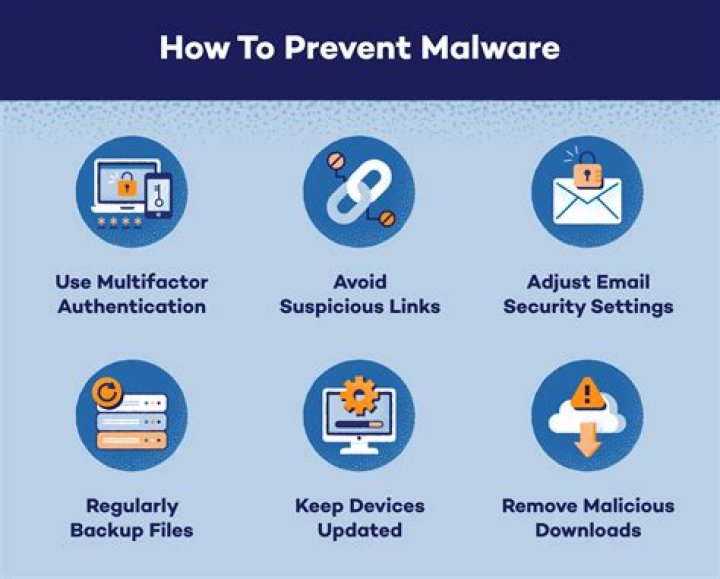
Unauthorized streaming platforms frequently serve as vectors for malicious software distribution. Without the infrastructure and security protocols of legitimate services, these sites become attractive targets for cybercriminals looking to exploit unsuspecting users. The business model of free streaming often relies on aggressive advertising networks that don't vet their ad partners thoroughly.
Malware can be delivered through multiple channels on these platforms. Pop-up advertisements may trigger drive-by downloads that install spyware, ransomware, or cryptocurrency miners without user consent. Fake play buttons and download prompts designed to look like legitimate interface elements trick users into executing malicious code. Even simply visiting these sites can expose devices to exploit kits that target browser vulnerabilities.
Common Security Threats
Trojans disguised as video codec updates represent one of the most prevalent threats. Users receive messages claiming they need to install specific software to view content, but the downloaded file contains malware instead. These infections can steal passwords, banking information, and personal data while remaining hidden from casual observation.
Browser hijackers modify search engines, home pages, and new tab settings to redirect traffic through monetized intermediaries. Adware floods devices with intrusive advertisements and tracks browsing behavior to build detailed user profiles for sale on data markets. More sophisticated attacks use these platforms to establish persistent access to user systems for future exploitation.
Privacy Concerns and Data Collection Practices
Privacy policies on unauthorized streaming platforms are often vague, misleading, or entirely absent. Unlike regulated services bound by data protection laws like GDPR and CCPA, these platforms operate outside normal oversight structures. This regulatory vacuum means users have little recourse when their data is mishandled or sold to third parties without consent.
Tracking technologies embedded in these sites can monitor viewing habits, device information, IP addresses, and browsing patterns. This data creates detailed behavioral profiles valuable to advertisers, but it can also be exploited for identity theft or sold to data brokers operating in gray markets. The lack of transparency means users can't know who accesses their information or how it's being used.
Third-Party Script Risks
Free streaming platforms typically load numerous third-party scripts for analytics, advertising, and content delivery. Each script represents a potential privacy vulnerability because the platform operators don't control what data these external services collect. Fingerprinting techniques can identify users across sessions and devices without traditional cookies, making privacy protection more challenging.
Cross-site tracking enables advertising networks to follow users across the internet, building comprehensive profiles of interests, demographics, and online behavior. This surveillance extends beyond the streaming platform itself, affecting privacy across all web activity. Users lose control over their digital footprint when engaging with services that prioritize monetization over user protection.
ISP Monitoring and Throttling Implications
Internet Service Providers can detect traffic patterns associated with streaming activities. While they can't always see specific content due to encryption, the volume, destination, and timing of data transfers create recognizable signatures. ISPs may throttle bandwidth for users accessing known unauthorized streaming platforms or issue warnings based on copyright holder complaints.
Some ISPs implement automated systems that log connections to domains associated with piracy. These records can be subpoenaed in copyright litigation or used to justify service restrictions. In regions with strict copyright enforcement, repeated violations may result in temporary service suspension or permanent account termination.
Device and Network Compromise Scenarios
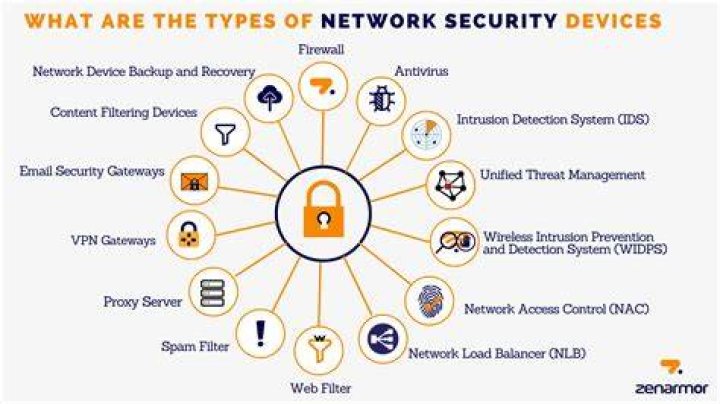
Once malware infiltrates a device through an unauthorized streaming platform, the infection can spread across home networks. Smart TVs, gaming consoles, smartphones, and computers connected to the same network become potential targets. Lateral movement techniques allow attackers to identify and exploit additional devices, expanding their access and control.
Compromised devices can be enrolled in botnets used for distributed denial-of-service attacks, spam distribution, or cryptocurrency mining. Owners may notice decreased performance, increased power consumption, or unusual network activity, but many infections operate stealthily to avoid detection and removal. The computational resources of infected devices generate revenue for attackers while degrading user experience.
Comparing Risk Profiles with Legal Alternatives
Legitimate streaming services invest heavily in security infrastructure, content licensing, and user protection. They employ security teams, conduct regular vulnerability assessments, and maintain compliance with industry standards. Subscription fees fund these protective measures alongside content acquisition, creating an ecosystem where user safety is economically incentivized.
Free legal alternatives exist that don't carry the same risks as unauthorized platforms. Services like Tubi, Pluto TV, Crackle, and Peacock Free offer ad-supported streaming with proper licensing agreements. While content libraries may be smaller or feature older titles, users gain legal access without security vulnerabilities or privacy concerns. Public libraries increasingly provide free streaming access to services like Kanopy and Hoopla for cardholders.
Cost-Benefit Analysis
The monetary savings from using unauthorized streaming platforms must be weighed against potential costs. Legal fees from copyright claims can reach thousands of dollars. Data breaches resulting from malware infections may lead to identity theft cleanup costs, credit monitoring fees, and financial losses. Device repairs or replacements necessitated by persistent malware add to the true expense of "free" streaming.
Professional reputation damage can occur if compromised devices send spam or participate in cyberattacks traced back to the owner's IP address. Employment consequences may follow security incidents that originate from personal devices used for work purposes. The peace of mind provided by legal services has tangible value when considering these hidden costs.
Protective Measures for Those Who Choose to Stream
Users determined to access unauthorized streaming platforms despite the risks should implement multiple layers of protection. Virtual Private Networks can obscure IP addresses and encrypt traffic, though they don't eliminate legal or security risks entirely. Reputable VPN providers that don't log user activity offer better privacy than free alternatives that may sell user data.
Comprehensive antivirus and anti-malware software with real-time protection can detect and block many threats before they execute. Browser extensions that block scripts, advertisements, and pop-ups reduce attack surface area. However, no combination of tools provides complete protection against all threats present on these platforms.
Best Practices for Risk Mitigation
Creating isolated browsing environments through virtual machines or separate user accounts limits potential damage from infections. Never entering personal information, financial data, or login credentials on unauthorized streaming sites reduces identity theft risk. Disabling automatic downloads and reviewing all permission requests prevents many drive-by malware installations.
Regular system scans, software updates, and security patches address known vulnerabilities exploited by attackers. Using dedicated devices for streaming that don't contain sensitive information provides additional security through compartmentalization. Still, these measures reduce rather than eliminate risk, and legal exposure remains unchanged by technical protections.
The Evolving Legal Landscape

Copyright enforcement continues to intensify as content creators and distributors develop more sophisticated detection methods. Automated monitoring systems scan the internet for unauthorized distribution of protected works, generating takedown notices and identifying patterns of infringement. Collaboration between rights holders, ISPs, and law enforcement agencies has increased the effectiveness of anti-piracy efforts.
International cooperation on copyright enforcement has strengthened through treaties and mutual assistance agreements. Platforms operating in permissive jurisdictions still face domain seizures, payment processor restrictions, and advertising network blacklisting. The economics of unauthorized streaming have become more challenging as legitimate services expand global availability and offer competitive pricing.
Final Thoughts
The question of whether flixtor is safe and legal has a clear answer from both security and legal perspectives. The platform operates without visible licensing agreements, exposing users to copyright infringement risks that carry real legal consequences. Security vulnerabilities inherent in unauthorized streaming services create exposure to malware, data theft, and privacy violations that far exceed any monetary savings from avoiding subscription fees.
Legitimate streaming alternatives provide legal access to quality content with robust security protections and transparent privacy policies. The entertainment landscape offers numerous affordable and free legal options that eliminate risk while supporting content creators. When considering where to stream your next show or movie, prioritizing safety and legality protects not just your devices and data, but your peace of mind and legal standing as well.
Explore More on Movieflix
Thank you for reading! For more comprehensive guides and site pages, return to the Movieflix Homepage .
